


Introduction
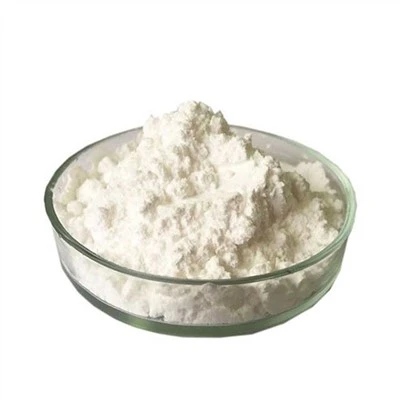
Glutathione is a naturally occurring molecule in skin cells that helps regulate oxidative stress and supports balanced melanin production. In liposomal form, it is protected from oxidation, improving its stability and compatibility.
Product Specification
|
Parameter |
Specification |
|
Glutathione Purity |
≥98% (Reduced L-Glutathione, GSH), HPLC-verified per batch |
|
Redox Ratio (GSH/GSSG) |
≥95:5, confirming dominant reduced active state |
|
Encapsulation Efficiency |
85–92%, measured by ultracentrifugation separation method |
|
Particle Size |
80–150 nm (DLS), D90 ≤ 200 nm |
|
Carrier System |
Soy-derived phosphatidylcholine liposomes (non-GMO available upon request) |
|
Appearance |
Off-white to pale yellow liquid dispersion or lyophilized powder |
|
PH Range (Formulation Use) |
4.5–6.5 stable working window |
|
Solubility |
Water-dispersible, compatible with O/W emulsion systems |
|
Standard Active Load |
2% liposomal GSH suspension (custom range: 0.5%–5%) |
Core Benefit
Produced via thin-film hydration combined with high-pressure homogenization to secure verified particle size control and batch-to-batch consistency.
Standardized processing implements three continuous homogenization cycles at certified pressures prior to final particle grading.
Fluid formats undergo clarifying filtration and bioburden control using 0.45-micron membranes within a monitored ISO Class 8 cleanroom environment.
Automated nitrogen-flushed filling lines isolate oxygen exposure during packaging to stabilize the active GSH/GSSG redox ratio.
Applications
Recommended inclusion rate: 2.0%–5.0% of the liposomal suspension in finished formulations, delivering 0.04%–0.1% of net active glutathione.
Formulatory compatibility: Engineered for skin-brightening serums, targeted hyperpigmentation correctors, post-procedure recovery systems, and standard Oil-in-Water (O/W) emulsions.
Processing constraint: Must be incorporated during the cool-down phase of formulation at temperatures below 40°C to preserve the lipid bilayer structure.
Synergistic pairings: Demonstrates verified formulation stability alongside Vitamin C derivatives, Niacinamide, Alpha-Arbutin, and Tranexamic Acid.
Sheet mask application: Requires complete pre-dilution and uniform blending into the bulk essence matrix prior to non-woven substrate loading.
Quality Control
Thermal stability profiles: Accelerated stability testing (40°C / 75% RH for 3 months) confirmed vesicle encapsulation integrity remains above 80.0%, verified via dynamic light scattering (DLS) particle monitoring.
Biocompatibility screening: Standard MTT assays on human fibroblast cell lines confirmed zero significant cytotoxicity at active concentrations scaling up to 0.5% net GSH.
Bioactivity confirmation: In vitro tyrosinase inhibition datasets (IC50) are available to match established pathways for melanin downregulation and support clinical efficacy claims.
Regulatory: Comprehensive Certificates of Analysis (COA), independent third-party laboratory evaluations (SGS/Intertek), and raw stability datasets are released upon formal NDA execution.
Packaging & Logistics
Minimum Order Quantities (MOQ): 25 kg for standard 2% liquid suspension; 50 kg for customized concentrations or alternative lipid carrier modifications.
Industrial packaging: Dispatched in 1 kg and 5 kg hermetic aluminum foil bags for liquid formats; 25 kg high-density drums for bulk commercial orders.
Verified shelf-life: 18 months from manufacturing date for sealed liquid suspensions stored below 25°C; 24 months for vacuum-sealed lyophilized powders.
Operational lead times: 2–3 weeks for standard ex-stock concentrations; 4–6 weeks for custom volumes or orders exceeding 500 kg.
Shipping frameworks: Global logistics executed under FOB, CIF, or DDP terms. Standard transit does not require an active cold chain; prolonged storage exceeding 30°C must be avoided at the warehousing site.
FAQ
Q: What is the typical particle size distribution of the liposome system?
A: The liposomal vesicles are typically controlled within an 80–150 nm range, measured by dynamic light scattering (DLS), to support uniform dispersion and batch-to-batch consistency.
Q: Can custom active concentrations be manufactured?
A: Yes. Standard supply is typically provided as a 2% liposomal glutathione suspension, while customized concentrations from 0.5% to 5.0% can be produced based on formulation requirements and minimum order quantities.
Q: What batch documentation is supplied with each shipment?
A: Each commercial batch is supplied with a lot-specific Certificate of Analysis (COA). Additional documents such as SDS, TDS, stability data, and third-party test reports are available upon request.
Q: Are non-GMO and allergen-related documents available?
A: Yes. Documentation related to non-GMO phospholipid sources, allergen declarations, and raw material traceability can be provided upon request for regulatory review.
Q: How should the material be stored after opening?
A: Opened containers should be tightly sealed and stored in a cool, dry environment away from direct sunlight. Prolonged exposure to air and elevated temperatures should be minimized to maintain liposome integrity and active stability.
Hot Tags: glutathione liposome, China glutathione liposome manufacturers, suppliers, factory, price, buy, , alpha arbutin compatibility with niacinamide, beta arbutin, beta arbutin serum formulation ingredient, cosmetic emulsion oil phase vitamin c, decapeptide-12 emulsification compatibility


